День города Ижевска
Статьи
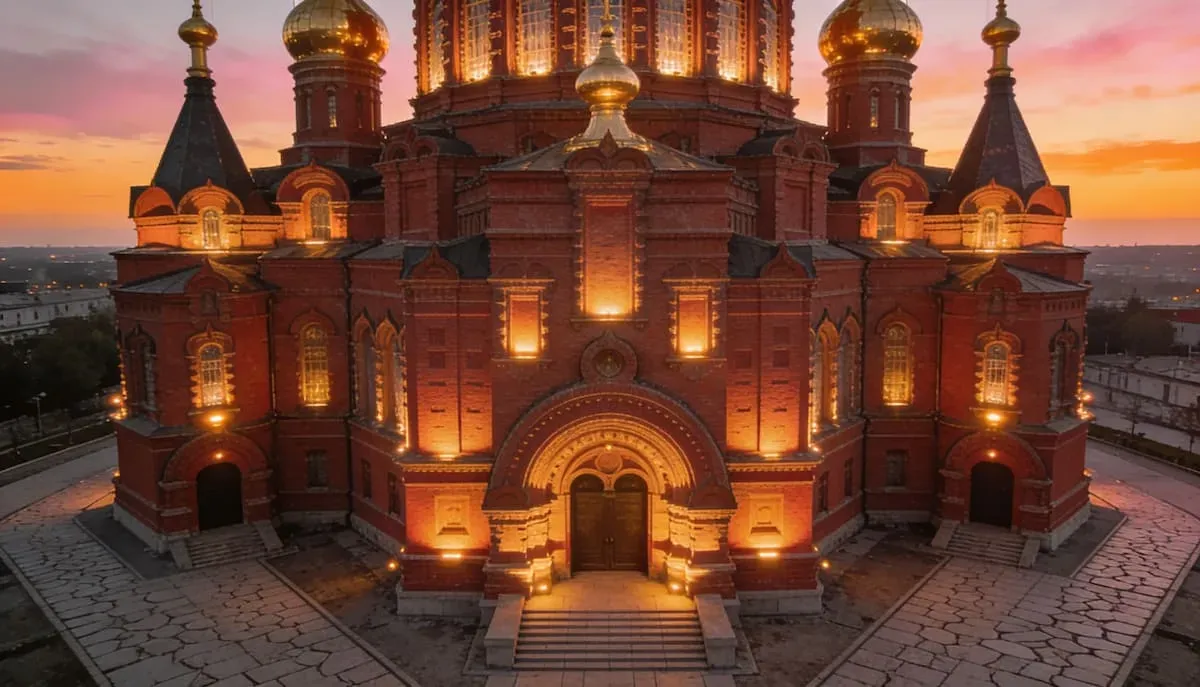
День города Ижевска — один из главных ежегодных праздников столицы Удмуртии, который традиционно проходит 12 июня. Эта дата объединяет сразу два значимых события: собственно День города и государственный праздник — День России, поэтому торжества в Ижевске приобретают особенно масштабный и символичный характер.
В праздничные дни в Ижевске обычно проходят официальные церемонии и значимые общественные мероприятия. Традиционно к Дню города приурочивают чествование жителей, трудовых коллективов и представителей разных сфер городской жизни, внесших вклад в развитие Ижевска.
В разные годы в рамках праздника вручали паспорта юным гражданам России, свидетельства о занесении на Доску почёта города, почётные знаки «За заслуги перед городом Ижевском» и знаки отличия, связанные со званием «Почётный гражданин города Ижевска». С 2017 года обновление городской Доски почёта стало ежегодной традицией, приуроченной ко Дню города.
В 2026 году Ижевск отмечает 266-летие со дня основания, и праздничная программа обещает быть насыщенной для ижевчан и гостей города.
Содержание:
Информация о городе
Ижевск — столица Удмуртской Республики и один из крупнейших промышленных центров Поволжья. Город расположен в междуречье Вятки и Камы, что исторически повлияло на его развитие как важного производственного и транспортного узла. Основу экономики Ижевска составляют предприятия металлургической, машиностроительной, оборонной и смежных отраслей.
Город имеет удобное транспортное положение. Через Ижевск проходят региональные автомобильные трассы Р320, Р321, Р322, а также европейский маршрут E22. Кроме того, здесь пролегает важная линия Горьковской железной дороги, обеспечивающая связь с другими регионами России. Для авиасообщения работает аэропорт Ижевск.
Ижевск является не только промышленным, но и образовательным, культурным центром республики. В городе действуют высшие учебные заведения, филиалы вузов, профессиональные и средние специальные образовательные учреждения. Туристов и жителей привлекают учреждения культуры, памятные места, музеи, архитектурные объекты и другие достопримечательности Ижевска. Численность населения города составляет около 650 тысяч человек.
История Ижевска
История Ижевска уходит корнями в глубокую древность. Первые поселения на этой территории связывают с Мазунинской культурой, существовавшей здесь примерно с V века н. э. В XIV веке земли вошли в состав Казанского ханства, а позднее вновь оказались в составе Российского государства при Петре I.
Современное развитие города началось в 1760 году, когда на этих землях появились металлургический завод, плотина и рабочий посёлок. Позднее, по указу Александра I, здесь было основано оружейное производство, сыгравшее ключевую роль в формировании промышленного облика Ижевска. Именно заводская история во многом определила будущую специализацию города.
С течением времени название города менялось. С 1760 по 1918 год он был известен как Ижевский завод, с 1918 по 1984 год и с 1987 года по настоящее время носит название Ижевск, а в период с 1984 по 1987 год назывался Устинов. Статус города Ижевск получил 21 февраля 1918 года, уже после установления советской власти.
В первые годы после получения городского статуса Ижевск оказался в центре военных событий: здесь происходили столкновения между Красной и Уральской армиями. Важным этапом стало 28 декабря 1934 года, когда Ижевск получил статус столицы Удмуртской Автономной ССР.
Во время Великой Отечественной войны город стал местом размещения эвакуированных предприятий, что усилило его значение для промышленности страны. После завершения войны в Ижевске активно развивалась оборонная отрасль. В составе Российской Федерации город сохранил статус крупного промышленного центра, а его инфраструктура продолжает постепенно обновляться и развиваться.
Традиции празднования Дня города Ижевска
Масштабные гуляния на Центральной площади Ижевска начали проводить сравнительно недавно — в конце советского периода, с 1988 года. После появления государственного праздника Дня России городские власти объединили две важные даты, и с тех пор День города Ижевска ежегодно отмечается 12 июня.
До конца 1980-х годов современного формата праздника фактически не существовало. В 1984–1987 годах город носил название Устинов, а историческое имя Ижевск вернулось только в 1987 году. Однако праздничные традиции появились не на пустом месте. Раньше городские мероприятия проходили более камерно: в парках, скверах и на отдельных площадках устраивали праздники литературы, искусства, небольшие концерты и творческие встречи. Нередко жители сами организовывали импровизированные выступления прямо во дворах.
Одним из предшественников массовых городских гуляний стал День молодежи, который особенно любили в Ижевске в 1970-е годы. Именно из этой традиции постепенно вырос большой праздник на Центральной площади, ставший привычной частью летней жизни города.
В конце 1980-х и начале 1990-х годов День Ижевска сопровождался ярмарками, выставками и спортивными активностями. На площади можно было купить книги, цветы, рыбок в аквариумах, увидеть экспозиции техники, в том числе пожарной, принять участие в утренней зарядке. Позднее эта традиция превратилась в популярную «зарядку со звездой». На набережной Ижевского пруда зрителей собирали выступления мотоциклистов, которые показывали эффектные трюки. Еще одним ярким развлечением 1990-х стали батутные шоу с участием профессиональных спортсменов и акробатов.
Особенно запомнилось празднование 12 июня 2008 года, когда на Центральной площади Ижевска открылся новый светомузыкальный фонтан. В этот же день прошел парад женихов и невест, а в выставочном пространстве «Галерея» была представлена персональная экспозиция Зураба Церетели. Вечером для горожан выступила группа «Пилот», а завершил концертную программу Николай Басков. Его выступление стало одним из самых обсуждаемых моментов праздника: артист неожиданно вышел прямо к зрителям, и горожане буквально держали его на руках, пока он продолжал петь.
Приглашение известных исполнителей стало доброй традицией. И сегодня на празднование Дня города в Ижевске часто приезжают популярные артисты, а концертная программа остается одной из самых ожидаемых частей торжеств.
В последние годы формат праздника заметно расширился. Все чаще мероприятия, посвященные Дню города и Дню России в Ижевске, проходят не только 12 июня, а в течение нескольких дней — с 1 по 12 июня. Открывает праздничную программу День двора, который стал символом добрососедства и объединения жителей многоквартирных домов. Впервые такой формат был проведен в 2017 году по инициативе Главы Удмуртии. Тогда появилась идея большого городского цикла: День двора, День района и День города.
Сегодня День Ижевска отмечают не только на центральных площадках, но и во дворах, на улицах, в районах города. Для жителей и гостей проводят концерты, фестивали, спортивные соревнования, танцевальные программы, мастер-классы и семейные активности. Кульминацией праздника традиционно становится яркий фейерверк.
Национальный праздник Гербер
В дни празднования Дня города в Ижевске может проходить городской национальный праздник «Ижкар Гербер», связанный с удмуртскими традициями и окончанием весенних полевых работ. Гербер считается одним из ярких событий культурной жизни Удмуртии и помогает познакомиться с обычаями, музыкой, ремёслами и народным творчеством региона.
Как правило, программа такого праздника включает выступления творческих коллективов, национальные игры и танцы, мастер-классы, конкурсы, интерактивные площадки и выставку-ярмарку мастеров декоративно-прикладного искусства. Гости могут увидеть изделия, выполненные в традиционных техниках, познакомиться с удмуртской кухней и почувствовать атмосферу народного праздника.
В традиционной части Гербера особое место занимают обрядовые элементы, связанные с благодарностью земле и завершением посевных работ. В разные годы в программу включали освящение обрядовой каши, моления и угощение гостей блюдами национальной кухни.
На сцене обычно выступают фольклорные ансамбли, этно-исполнители и современные коллективы, обращающиеся к народному звучанию. Благодаря этому «Ижкар Гербер» становится не только праздничным событием, но и возможностью увидеть национальные костюмы, услышать удмуртскую речь и музыку, а также ближе познакомиться с культурным наследием республики.
День города Ижевска в 2026 году
День города Ижевска традиционно отмечается 12 июня, в один день с Днём России. В 2026 году праздник, как и в предыдущие годы, планируется провести в формате нескольких городских событий, объединяющих жителей разных районов, творческие коллективы, общественные пространства и культурные площадки.
Как правило, праздничная программа включает торжественные концерты, семейные активности, выставки, спортивные мероприятия, мастер-классы, интерактивные площадки и события для детей. Отдельное внимание обычно уделяется истории Ижевска, его промышленному наследию, культуре Удмуртии и вкладу города в развитие региона.
В разные годы в рамках Дня города проходили районные праздники, дворовые встречи, выступления артистов, творческие проекты, тематические акции и мероприятия на открытых площадках. Такой формат помогает сделать праздник более доступным для жителей разных частей города и создать атмосферу общего участия.
Точная программа Дня города Ижевска в 2026 году будет опубликована ближе к дате праздника. Расписание, площадки, состав участников, условия посещения и возможные вечерние мероприятия рекомендуется уточнять в официальных источниках города и актуальных городских афишах.
Где остановиться в Ижевске
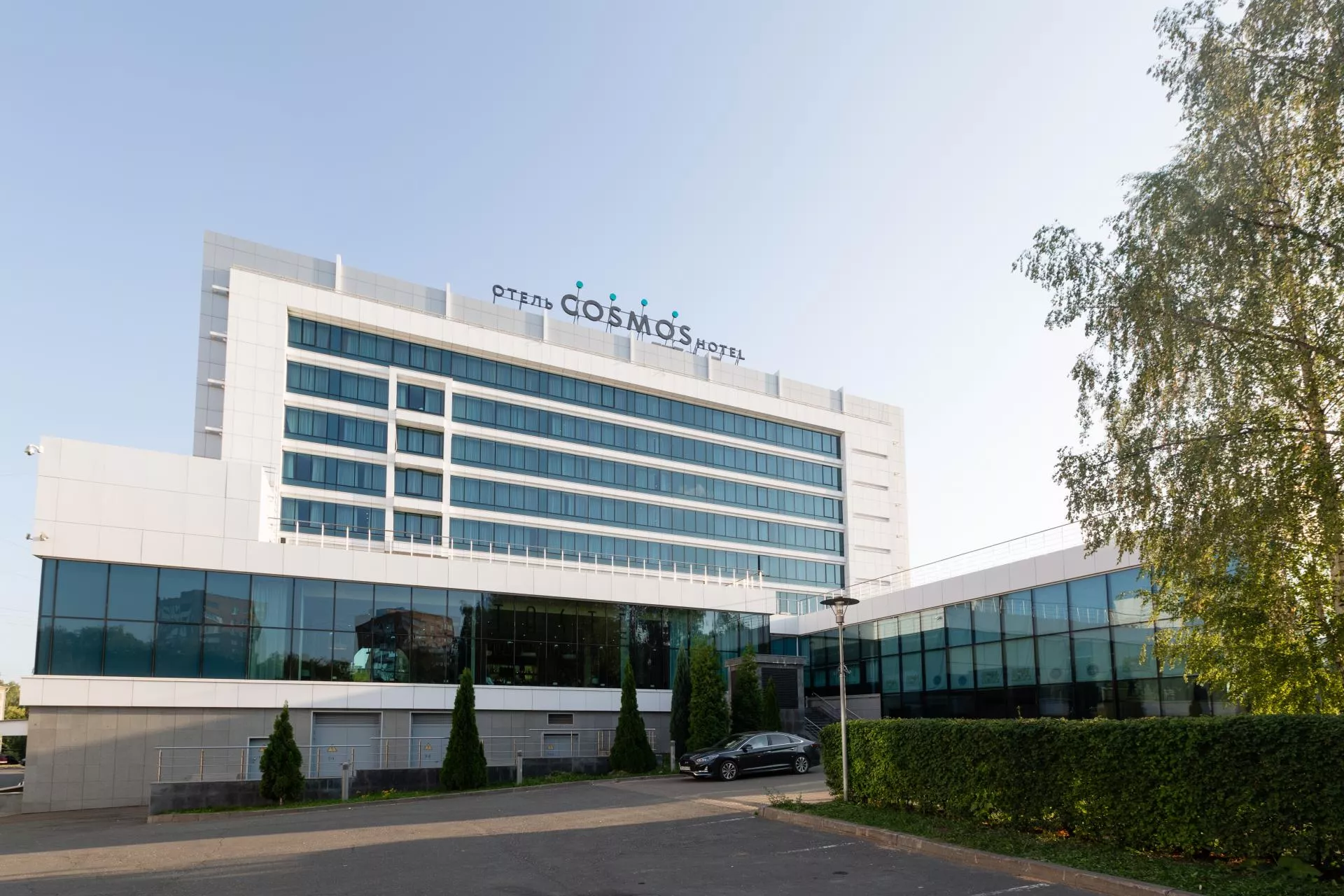
Если вы планируете посетить День города Ижевска и хотите провести праздники с комфортом, отличным вариантом для проживания станет Cosmos Ижевск Отель. Этот отель удобно расположен в центре города — от него легко добираться до ключевых площадок праздничной программы, культурных достопримечательностей и транспортных узлов.
На официальном сайте отеля Cosmos Ижевск можно ознакомиться с полным перечнем удобств и номеров, а также забронировать проживание онлайн. Гости отеля отмечают продуманный сервис, чистые и комфортабельные номера, уютную атмосферу и высокий уровень обслуживания. Для путешественников доступен широкий выбор категорий номеров — от стандартных до улучшенных, подходящих как для семейного отдыха, так и для деловой поездки.
Отель Cosmos Ижевск — отличный выбор для тех, кто хочет сделать празднование Дня города особенно приятным: здесь можно восстановить силы после насыщенного фестивального дня, насладиться качественным отдыхом и воспользоваться дополнительными услугами, такими как парковка, Wi‑Fi и обслуживание номеров.
Бронируя отель заранее, вы обеспечите себе комфортное проживание в сердце Ижевска и сможете полностью погрузиться в атмосферу городского праздника, не заботясь о бытовых мелочах.
День города Ижевска — это большое событие, которое объединяет историю, культуру, спорт, творчество и активную жизнь столицы Удмуртии. Праздник напоминает о трудовой славе города, уважении к ветеранам, любви к родине и вкладе жителей в развитие Ижевска. В этот день звучит музыка симфонического оркестра, проходят концерты, конкурсы, интерактивные программы, молодежные проекты, детские мероприятия, спортивные активности и уличные фестивали.
Особую атмосферу создают знаковые городские пространства — Центральная площадь, набережная, скверы, культурные площадки, театры и открытые городские локации. Здесь можно посмотреть спектакль, посетить выставку, услышать рок-хиты, принять участие в акции, посвященной Дню России, или просто провести время с семьей и детьми.
С каждым годом программа становится разнообразнее: появляются новые форматы и общественные проекты, которые делают праздник интересным. Актуальные новости о мероприятиях, расписание концертов и информацию о площадках обычно публикуют на официальном сайте администрации города и городских информационных ресурсах.
Ижевск сохраняет связь с прошлым и уверенно смотрит вперед. День города — это праздник памяти, гордости, добрососедства и живого общения, который помогает жителям почувствовать себя частью большого городского общества и еще раз увидеть, насколько многогранным, сильным и интересным остается Ижевск.